

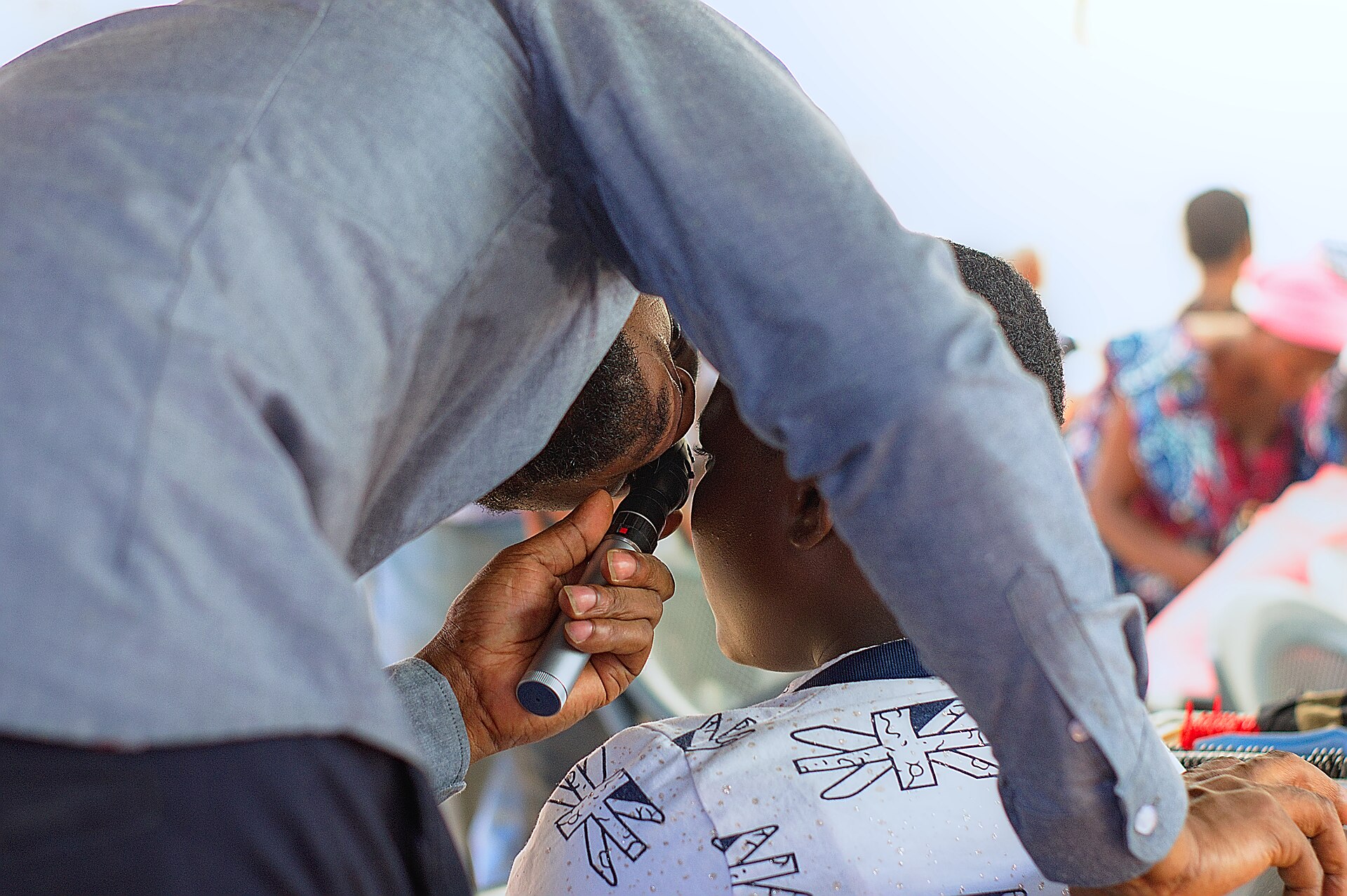
For families affected by inherited blindness, progress used to mean better canes, better software and better support. Increasingly, it also means treatment. Gene therapies that deliver a working copy of a faulty gene directly into the retina have now helped some patients see shapes, read large print and navigate rooms they previously crossed by touch. The results are not miracles, and researchers are careful with their language, but for conditions that once had no treatment at all, the change is profound.
Inherited retinal diseases affect millions of people worldwide and include conditions such as retinitis pigmentosa and Leber congenital amaurosis. They arise when a single gene fault disrupts the light-sensitive cells of the eye, and they often begin in childhood. Because the eye is small, accessible and partly shielded from the immune system, it became the natural proving ground for gene therapy. Follow our health coverage for the studies behind this story.
How the Treatment Works
Most current therapies use a harmless engineered virus as a delivery vehicle. Surgeons inject the vector beneath the retina, where it carries the healthy gene into cells that still survive but function badly. Those cells begin producing the missing protein, and vision can improve within weeks. The first such therapy for an inherited eye disease was approved several years ago, and its long-term follow-up data have encouraged a wave of trials targeting other genes and earlier stages of disease.
The detail matters: treatment can only help where enough retinal cells remain alive, which is why genetic testing and early diagnosis are becoming clinically urgent. A child identified in time may keep cells that an adult has already lost. The World Health Organization’s work on vision at the WHO stresses how many people with eye conditions never reach specialist care at all, a gap that gene therapy will widen unless testing and referral improve alongside the science.
What Patients Actually Gain
Trial results are usually reported in chart lines and light-sensitivity scores, but patients describe different things: seeing a grandchild’s face, reading a bus number, walking to a local shop without memorising every kerb. In several studies, treated eyes improved at navigating obstacle courses in dim light, a functional measure designed to capture exactly that kind of independence. Not every participant responds, and benefits can plateau, yet even partial sight changes what a person can do alone.
Researchers publishing in journals such as Nature are now testing therapies for more common genetic faults and combining gene delivery with approaches that protect cells from further damage. There is also work on optogenetics, which gives surviving cells a new light sensitivity, potentially helping patients whose original photoreceptors are gone entirely. Each approach suits a different stage of disease, which is why specialists talk about a toolkit arriving rather than a single cure.
Cost, Access and Hard Choices
The obstacle most likely to slow this progress is not scientific. One-off gene therapies carry very high prices, reflecting tiny patient populations and complex manufacture, and health systems must decide how to pay for treatments whose benefits may last decades. Families in countries without specialist retinal centres face travel, testing costs and waiting lists long before price negotiations begin. Browse our blog archive for more on how health systems handle expensive new medicines.
Even so, the direction of travel is clear. A field that offered inherited-blindness patients nothing but prognosis now offers a growing list of trials, the first licensed products and measurable gains in daily life. The task for the next decade is unglamorous but decisive: find patients early, build the surgical and testing capacity, and negotiate prices that let health systems say yes. The science has shown that sight, in some cases, can be given back. Medicine now has to organise itself to deliver that fairly.
