

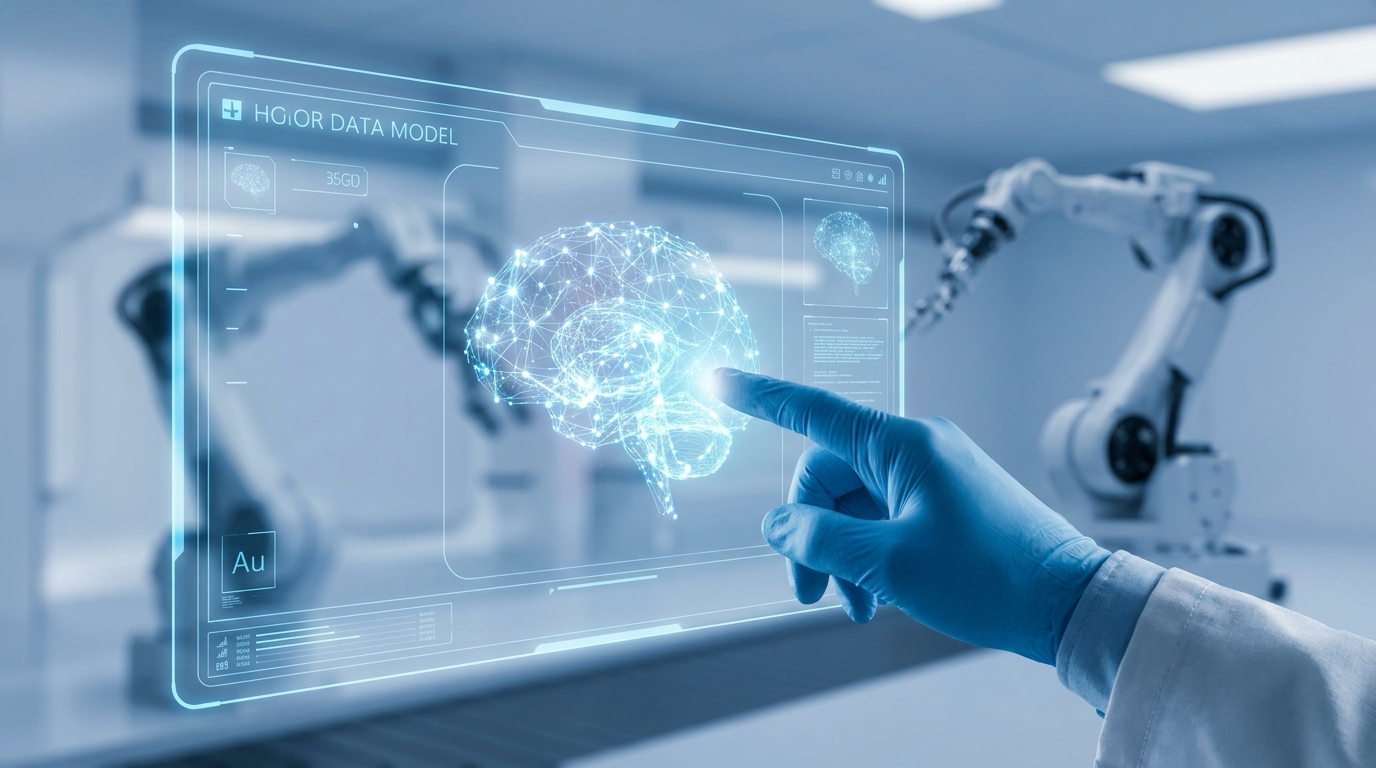
Modern digital transformation is accelerating faster than ever, reshaping how people work, communicate, and experience technology in everyday life. From artificial intelligence breakthroughs to immersive virtual environments, today’s tech trends are driving smarter automation, stronger connectivity, and more personalized digital experiences. Businesses and users alike are adapting to innovations that improve efficiency, security, and creativity across every industry in the modern world.
| Tech Trend | Core Area | Key Impact |
|---|---|---|
| AI Revolution | Automation | Smarter systems |
| 5G & Connectivity | Networking | Faster communication |
| IoT Expansion | Smart devices | Connected living |
| Cybersecurity Growth | Digital safety | Stronger protection |
Artificial Intelligence Revolution
Generative AI for Content Creation
Generative AI is transforming how content is produced across writing, design, video, and marketing industries globally. These systems create realistic text, images, and media instantly while reducing manual effort significantly. Businesses use generative models to improve creativity, automate workflows, and produce personalized digital experiences for users across platforms efficiently.
Machine Learning for Predictive Systems
Machine learning enables systems to analyze data patterns and predict outcomes with increasing accuracy across industries. From healthcare diagnostics to financial forecasting, predictive algorithms help organizations make smarter decisions quickly. These intelligent models continuously improve over time, offering better insights, automation, and performance optimization in complex digital environments worldwide.
AI Assistants for Smart Interaction
AI assistants are becoming more advanced, offering conversational support, task management, and personalized recommendations in real time. These systems help users manage schedules, search information, and control smart devices effortlessly. Improved natural language processing makes interactions more human like, enhancing productivity and convenience across daily digital experiences globally.
AI in Business Automation
Businesses are increasingly using AI to automate repetitive tasks, improve customer service, and optimize operations efficiently. Intelligent systems handle data entry, analytics, and communication workflows with minimal human intervention. This transformation reduces operational costs while increasing speed, accuracy, and scalability in competitive digital business environments worldwide.
Ethical AI Development for Trust
Ethical AI focuses on fairness, transparency, and responsible usage of artificial intelligence systems in modern applications. Developers are working to reduce bias, improve accountability, and ensure safe deployment of AI technologies. This trend is essential for building user trust and ensuring long term sustainable growth in digital ecosystems.
5G and Next Generation Connectivity
Ultra Fast Mobile Internet
5G technology delivers significantly faster internet speeds, enabling seamless streaming, gaming, and communication experiences for users globally. Reduced latency improves real time interactions across applications and devices. This advancement supports emerging technologies like autonomous vehicles, smart cities, and immersive digital platforms requiring high speed connectivity consistently.
Smart Cities Powered by 5G
Smart cities use 5G networks to manage traffic systems, energy consumption, and public services efficiently in real time. Connected infrastructure improves safety, reduces congestion, and enhances urban living experiences. This integration of technology and city planning creates more sustainable and responsive environments for growing populations worldwide today.
Enhanced Remote Work Connectivity
5G improves remote work by providing stable, high speed connections for video conferencing, cloud collaboration, and virtual meetings. Professionals experience fewer disruptions and better productivity while working from anywhere. This connectivity trend supports flexible work models and strengthens global workforce collaboration in modern digital economies effectively.
IoT Acceleration with 5G
5G significantly enhances Internet of Things ecosystems by enabling faster device communication and data exchange. Smart homes, wearable devices, and industrial sensors operate more efficiently with reduced delay. This improvement allows seamless automation and real time monitoring across connected environments in both personal and industrial applications globally.
Immersive Media Experiences
5G supports advanced media technologies such as augmented reality and virtual reality streaming without buffering delays. Users enjoy smoother gaming, interactive learning, and immersive entertainment experiences. This connectivity upgrade is transforming how digital content is consumed, making experiences more engaging, realistic, and responsive across modern platforms worldwide.
Internet of Things Expansion
Smart Homes for Everyday Comfort
Smart home devices allow users to control lighting, temperature, and security systems through connected applications easily. These systems improve convenience, energy efficiency, and safety within households. Automation enables personalized living experiences, making daily routines simpler and more comfortable for families using modern digital technologies today.
Wearable Technology for Health Monitoring
Wearable devices track health metrics such as heart rate, sleep patterns, and physical activity in real time. These tools help users maintain fitness goals and monitor overall well being effectively. Advanced sensors and AI integration provide accurate insights, supporting healthier lifestyles and proactive medical awareness globally.
Industrial IoT for Smart Manufacturing
Industrial IoT connects machines, sensors, and systems to improve manufacturing efficiency and reduce operational downtime. Real time monitoring helps detect issues early and optimize production processes. This technology enhances productivity, reduces costs, and improves safety standards across large scale industrial environments worldwide effectively.
Connected Vehicles for Smart Transport
Connected vehicles use IoT systems to improve navigation, safety, and communication between cars and infrastructure. Features like real time traffic updates and automated alerts enhance driving experiences. This innovation is a major step toward autonomous transportation and smarter mobility systems in modern cities globally.
Smart Agriculture for Better Yield
IoT in agriculture helps farmers monitor soil conditions, weather patterns, and crop health efficiently. Automated irrigation systems improve water usage and increase productivity. These technologies support sustainable farming practices while improving food production quality and efficiency in modern agricultural industries worldwide.
Cybersecurity and Digital Protection
Advanced Threat Detection Systems
Modern cybersecurity tools use AI and machine learning to detect threats and prevent cyber attacks in real time. These systems analyze suspicious activity patterns and respond quickly to minimize risks. Improved detection enhances data security and protects sensitive information across personal and business digital environments globally.
Cloud Security Solutions
Cloud security technologies protect stored data and applications from unauthorized access and breaches. Encryption, authentication, and monitoring systems ensure safe cloud usage for individuals and organizations. As cloud adoption increases, strong security frameworks are essential for maintaining trust and protecting valuable digital assets worldwide.
Zero Trust Security Models
Zero trust security assumes no user or device is automatically trusted within a network environment. Continuous verification ensures only authorized access to systems and data. This approach significantly reduces cyber risks and strengthens protection against internal and external threats in modern digital infrastructures globally.
Data Privacy Regulations
Data privacy laws ensure organizations handle user information responsibly and transparently across digital platforms. Regulations like GDPR inspire global standards for protecting personal data. These frameworks build user trust while encouraging ethical data usage and stronger compliance practices in modern digital ecosystems worldwide today.
Biometric Authentication Systems
Biometric security uses fingerprints, facial recognition, and iris scanning to verify user identity securely. These systems provide stronger protection compared to traditional passwords. Increased adoption improves convenience while reducing fraud risks, making digital access safer and more efficient across devices and applications globally.
Augmented and Virtual Reality
AR in Retail Experiences
Augmented reality allows customers to visualize products in real environments before purchasing, improving shopping decisions significantly. Retailers use AR to enhance customer engagement and reduce return rates. This technology is transforming e commerce by creating interactive and personalized shopping experiences across digital platforms worldwide effectively.
VR in Gaming Industry
Virtual reality gaming provides immersive environments where players experience interactive worlds with realistic simulations. Advanced headsets and motion tracking improve gameplay engagement significantly. VR continues to redefine entertainment by offering deeper emotional experiences and innovative storytelling methods in modern digital gaming industries globally today.
AR in Education Systems
Augmented reality enhances education by making learning interactive and visually engaging for students of all ages. Complex subjects become easier to understand through 3D visualization and simulations. This technology improves knowledge retention and transforms traditional classrooms into dynamic digital learning environments worldwide effectively.
VR Training Simulations
Virtual reality is widely used for training professionals in healthcare, aviation, and military sectors safely. Simulated environments allow users to practice skills without real world risks. This improves learning efficiency, reduces costs, and enhances performance in high risk training scenarios across industries globally.
Mixed Reality Collaboration Tools
Mixed reality combines AR and VR to create collaborative environments for remote teamwork and design projects. Users interact with digital objects in shared virtual spaces. This innovation improves communication, creativity, and productivity in professional environments, especially for global teams working across different locations efficiently.
Cloud Computing Innovations
Hybrid Cloud Systems
Hybrid cloud combines private and public cloud infrastructure for flexible and scalable data management solutions. Businesses use this approach to balance security and performance effectively. It allows organizations to optimize costs while maintaining control over sensitive data in modern digital environments worldwide today.
Serverless Computing Models
Serverless computing allows developers to build applications without managing underlying infrastructure directly. Cloud providers handle scaling and resource allocation automatically. This model reduces operational complexity, improves efficiency, and accelerates software development cycles across modern digital platforms and business applications globally.
Edge Computing for Real Time Processing
Edge computing processes data closer to the source, reducing latency and improving response times significantly. This technology supports applications like autonomous vehicles and smart devices requiring instant data processing. It enhances performance and reliability across distributed digital systems worldwide effectively today.
Multi Cloud Strategies
Multi cloud strategies involve using multiple cloud providers to improve flexibility, resilience, and performance. Organizations avoid dependency on a single provider while optimizing services based on specific needs. This approach enhances reliability and strengthens digital infrastructure for global enterprises across industries today.
Cloud Native Applications
Cloud native applications are designed specifically for cloud environments, offering scalability and resilience. These applications use microservices and containerization for efficient deployment and management. This trend improves software performance, flexibility, and innovation across modern digital development ecosystems worldwide.
Blockchain and Web3 Development
Decentralized Applications for Transparency
Decentralized applications operate on blockchain networks, ensuring transparency and reducing reliance on central authorities. These applications improve security and user control over data. DApps are transforming industries like finance, gaming, and supply chain management through decentralized digital ecosystems globally today.
Smart Contracts for Automation
Smart contracts execute agreements automatically when predefined conditions are met on blockchain systems. This reduces the need for intermediaries and increases transaction efficiency. These automated systems enhance trust, speed, and accuracy in digital transactions across financial and business applications worldwide.
Cryptocurrency Integration in Payments
Cryptocurrency adoption is increasing as businesses accept digital currencies for secure and fast transactions. Blockchain based payments reduce processing fees and improve cross border financial efficiency. This trend is reshaping global finance and creating new opportunities for digital commerce worldwide today.
NFTs for Digital Ownership
Non fungible tokens provide proof of ownership for digital assets such as art, music, and collectibles. NFTs enable creators to monetize digital work securely. This innovation is transforming creative industries by introducing new models of ownership and value exchange across online platforms globally.
Web3 for Decentralized Internet
Web3 represents the next evolution of the internet focused on decentralization, user control, and blockchain integration. It aims to reduce reliance on centralized platforms while improving data ownership and privacy. This trend is shaping the future of digital interaction and online ecosystems worldwide.
What is the biggest tech trend today?
Artificial intelligence is currently the most influential technology driving automation, creativity, and digital transformation globally.
How is 5G changing digital life?
5G improves speed, reduces latency, and enables smart technologies like IoT, AR, and autonomous systems.
Why is cybersecurity becoming more important?
Increasing digital threats make strong cybersecurity essential for protecting personal and business data online.
What industries benefit from AR and VR?
Gaming, education, healthcare, retail, and training industries benefit significantly from immersive AR and VR technologies.
How does blockchain improve digital systems?
Blockchain enhances transparency, security, and trust by enabling decentralized and tamper proof digital transactions.
Conclusion
Latest tech trends for the modern digital world are shaping a smarter, faster, and more connected future. From artificial intelligence and 5G to blockchain, IoT, and immersive realities, each innovation is transforming how humans interact with technology. These advancements are not only improving efficiency but also redefining creativity, communication, and digital experiences across industries, creating a powerful foundation for the future of global technology.
