

Introduction
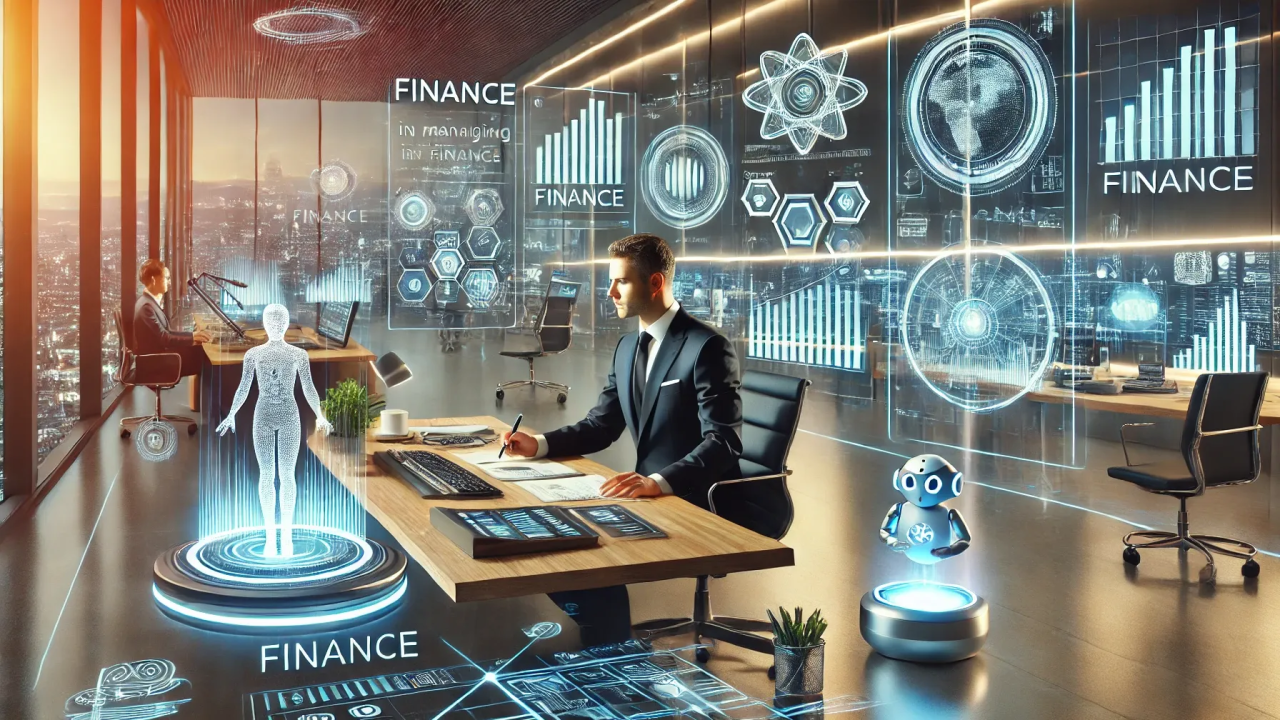
Artificial intelligence has become the heartbeat of modern finance, reshaping global markets, redefining investment strategies, and powering new waves of entrepreneurship. As algorithms predict trends and manage billions in assets, the boundaries between technology, celebrity influence, and political oversight continue to blur.
In this digital economy, celebrities are no longer just brand ambassadors — they are investors and innovators harnessing AI to build empires. Meanwhile, governments struggle to keep pace with regulating technologies that are transforming how wealth and power are distributed across the world.
The Algorithmic Revolution in Finance
AI-driven algorithms now dominate global trading floors, analyzing vast amounts of data to make real-time investment decisions. Machine learning systems detect market patterns long before human analysts can, driving efficiency and profitability in an increasingly unpredictable economy.
From predictive analytics to automated portfolio management, AI has become an indispensable tool for banks and hedge funds. Yet this growing dependence also introduces volatility, as unseen biases and opaque algorithms can influence entire financial ecosystems.
Celebrity Investors and the Tech Boom
Celebrities are rapidly emerging as key players in the AI economy. Figures like Ashton Kutcher, Serena Williams, and Jay-Z have invested in AI startups that range from financial platforms to health technology firms. Their involvement brings global visibility to new ventures while attracting younger, tech-savvy audiences.
These investments signal a broader shift in celebrity culture — from consumer endorsement to digital ownership. The fusion of fame and finance is redefining influence, where celebrity-driven capital meets AI innovation to create a new class of digital entrepreneurs.
AI Regulation and Political Oversight
Governments are racing to establish frameworks for AI use in global finance. Regulatory bodies such as the European Union’s AI Act and the U.S. Securities and Exchange Commission are focusing on transparency, accountability, and data ethics.
The challenge lies in balancing innovation with control. Overregulation could stifle technological progress, while insufficient oversight risks another era of unchecked corporate dominance — reminiscent of the pre-2008 financial landscape, now amplified by machine intelligence.
Global Economic Inequality and Automation
AI’s economic benefits are undeniable, but they come with a growing cost: inequality. Automation threatens millions of jobs across industries, replacing human labor with intelligent systems that never sleep.
While high-income nations invest in retraining programs, developing economies face widening gaps. The global workforce must now adapt to an era where success depends less on manpower and more on technological fluency — a transition that requires coordinated political and educational reform.
Celebrity Entrepreneurship in the AI Era
Celebrities are not only investing in technology but also creating AI-driven businesses. Rihanna’s fashion brand, Fenty, uses AI analytics for consumer personalization, while Will.i.am has developed voice technology integrated into smart devices.
By leveraging fame and data, these figures exemplify the rise of creative entrepreneurship powered by artificial intelligence. Their ventures blend art, business, and innovation, offering a glimpse into a future where human creativity thrives alongside intelligent machines.
The Future of AI-Driven Economic Governance
As financial systems become more automated, political leaders are exploring ways to integrate AI into economic planning. Predictive analytics are already helping policymakers anticipate recessions and evaluate social programs in real time.
However, this growing reliance on AI also demands global cooperation. Without shared ethical standards, algorithmic capitalism risks becoming a new frontier of inequality — where power concentrates in the hands of those who control data, rather than those who produce value.
FAQs
How is AI used in global finance?
AI analyzes market data, predicts trends, and automates trading, making financial systems more efficient but also more complex.
Why are celebrities investing in AI?
They recognize AI as a driver of future industries and use their influence to fund startups that merge innovation with global appeal.
What challenges does AI regulation face?
Governments must ensure transparency without limiting innovation, striking a balance between ethics and economic growth.
How does AI contribute to inequality?
Automation benefits skilled workers and investors but threatens low-skill jobs, widening the global wealth gap.
Can AI make global economies more stable?
Potentially, yes — if used responsibly to predict crises and manage resources, though risks remain without proper oversight.
Conclusion
Artificial intelligence is redefining wealth, influence, and innovation in the 21st century. From celebrity-backed startups to political debates over regulation, the convergence of technology and power is shaping a new global financial order.
The question now is not whether AI will dominate global finance, but how society will ensure its benefits are shared equitably. The future of economic stability depends on leadership that blends technological vision with human empathy — ensuring progress serves all, not just the privileged few.


