Introduction
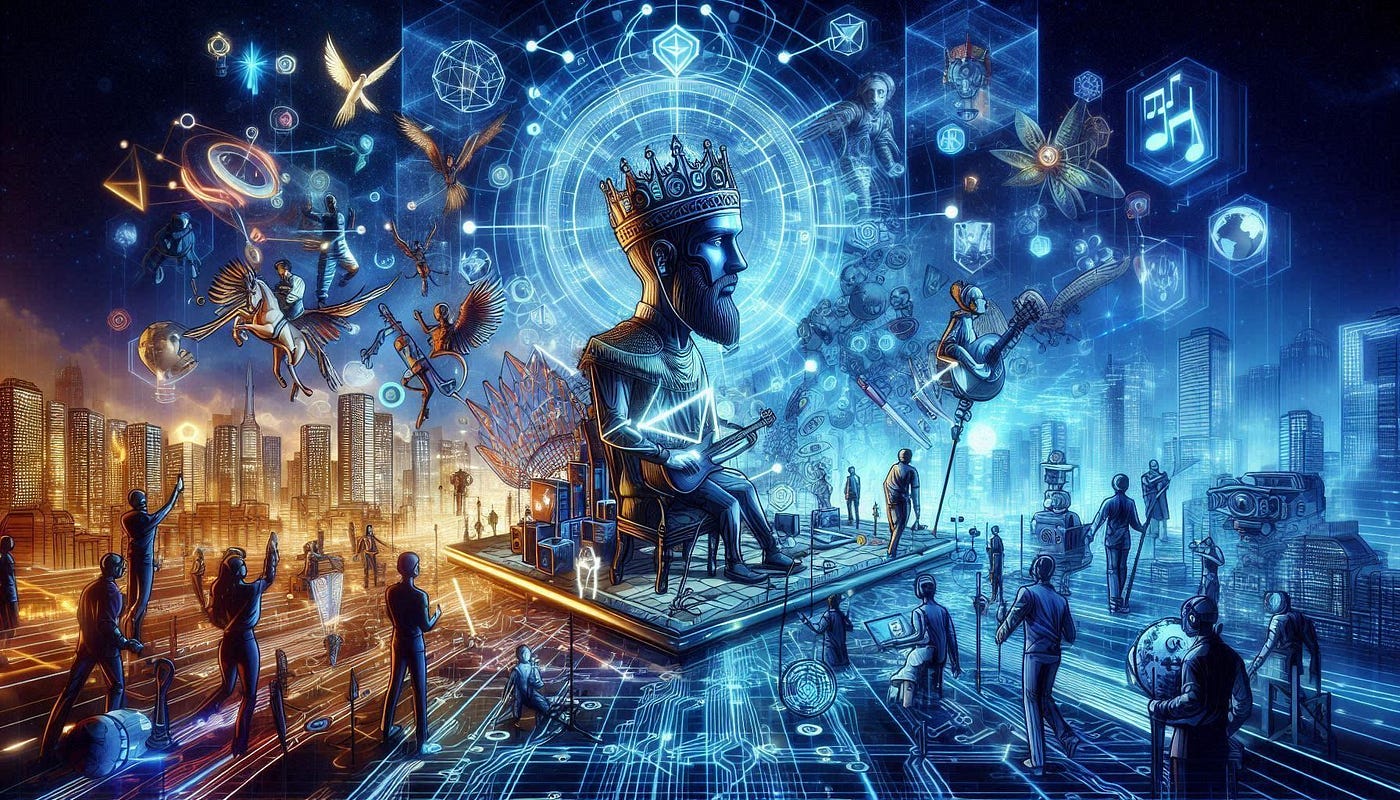
The rise of the digital metaverse has redefined how people interact, create, and influence in a world where virtual reality and social media converge. This emerging digital ecosystem is not merely a playground for gamers or developers — it’s rapidly becoming a center of political discourse, celebrity branding, and global economic power.
As artificial intelligence, celebrity engagement, and political messaging intertwine within this new digital universe, the metaverse is shaping a new kind of governance — one that exists beyond physical nations but carries real-world impact on culture, democracy, and global consciousness.
The Expansion of the Metaverse Economy
The metaverse has evolved from a technological experiment into a trillion-dollar economy that connects consumers, artists, and corporations through immersive virtual spaces. Tech giants like Meta, Apple, and NVIDIA are investing heavily in the infrastructure that powers these digital realities.
As commerce shifts online, brands are finding new ways to engage audiences — from virtual concerts to AI-driven marketing. This digital expansion has also created opportunities for political movements to reach younger, more digitally native voters around the world.
Celebrity Branding and the Virtual World
Celebrities have swiftly adapted to the metaverse, leveraging their fame to launch digital avatars, NFT collections, and interactive virtual performances. Artists such as Ariana Grande and Travis Scott have already turned virtual concerts into multimillion-dollar global events.
These experiences merge entertainment and technology in ways that reshape fan relationships. They also extend celebrity influence into digital politics — where public opinion is shaped not in parliaments but in shared virtual spaces.
Political Messaging and the Digital Republic
Politicians are beginning to recognize the metaverse as a platform for reaching global audiences directly. Campaigns are exploring virtual rallies, immersive debates, and digital town halls, where avatars of world leaders can engage voters without geographic limits.
However, this digital revolution also introduces new risks: misinformation, manipulation, and unregulated propaganda. In this borderless political landscape, AI-driven systems can amplify or distort political messages faster than any human-led media campaign.
AI as the Architect of Digital Identity
Artificial intelligence plays a central role in shaping identity within the metaverse. From facial mapping to emotion recognition, AI determines how avatars look, move, and interact — essentially becoming the unseen architect of personality and behavior online.
This raises critical ethical questions: who controls these digital identities, and how can individuals protect their autonomy in a world where algorithms curate their every virtual experience? Transparency in AI design has become an urgent political issue in the age of digital embodiment.
Global Diplomacy and the Virtual Public Square
As traditional diplomatic forums evolve, global leaders are using virtual environments to hold conferences, cultural exchanges, and humanitarian collaborations. The United Nations and the World Economic Forum have already tested virtual meeting spaces to enhance participation and accessibility.
These platforms allow greater inclusivity but also demand new standards of cybersecurity and digital governance. In a world where diplomacy occurs through avatars, trust and verification become just as crucial as dialogue itself.
The Future of Cultural and Political Influence
The blending of celebrity culture and political dialogue in digital spaces is creating a new form of global influence. Artists and influencers now have the power to shape international conversations on climate, human rights, and digital freedom through their virtual audiences.
This democratization of influence could strengthen civic engagement — but it could also fragment truth and polarize global societies if unchecked. As the metaverse matures, balancing creativity with accountability will be the greatest challenge of all.
FAQs
How is the metaverse changing global communication?
It allows people to interact, conduct business, and share political ideas in immersive virtual environments, transcending borders.
Why are celebrities entering the metaverse?
Celebrities use it to expand their personal brands, engage fans directly, and explore new creative and financial opportunities.
Can political leaders campaign in the metaverse?
Yes, virtual campaigns and town halls are emerging as new tools for political engagement and international outreach.
What role does AI play in the metaverse?
AI shapes avatars, digital environments, and social interactions, making it the foundation of how people experience virtual worlds.
Is the metaverse safe for democracy?
It offers new opportunities for dialogue but also risks becoming a tool for misinformation, manipulation, and unequal influence.
Conclusion
The metaverse represents a bold step into the future — one that fuses technology, celebrity, and politics into a single, dynamic ecosystem. It challenges traditional systems of power and invites humanity to redefine identity, truth, and connection in the digital age.
Whether it becomes a space of unity or division depends on how responsibly we govern its growth. The metaverse has the potential to empower billions, but only if its architects — human and algorithmic alike — remain guided by transparency, ethics, and a shared vision for the global good.