

Introduction
Artificial intelligence has emerged as both a guardian and a disruptor in global security, transforming the strategies that nations use to protect their citizens and assert influence. From cyber defense systems to military decision-making, AI is now at the heart of geopolitical competition.
At the same time, celebrity diplomats and global advocates are shaping discussions around ethics, peacebuilding, and accountability in an increasingly digital world — where political power extends far beyond traditional borders and battlefields.
AI and the New Age of Defense Systems
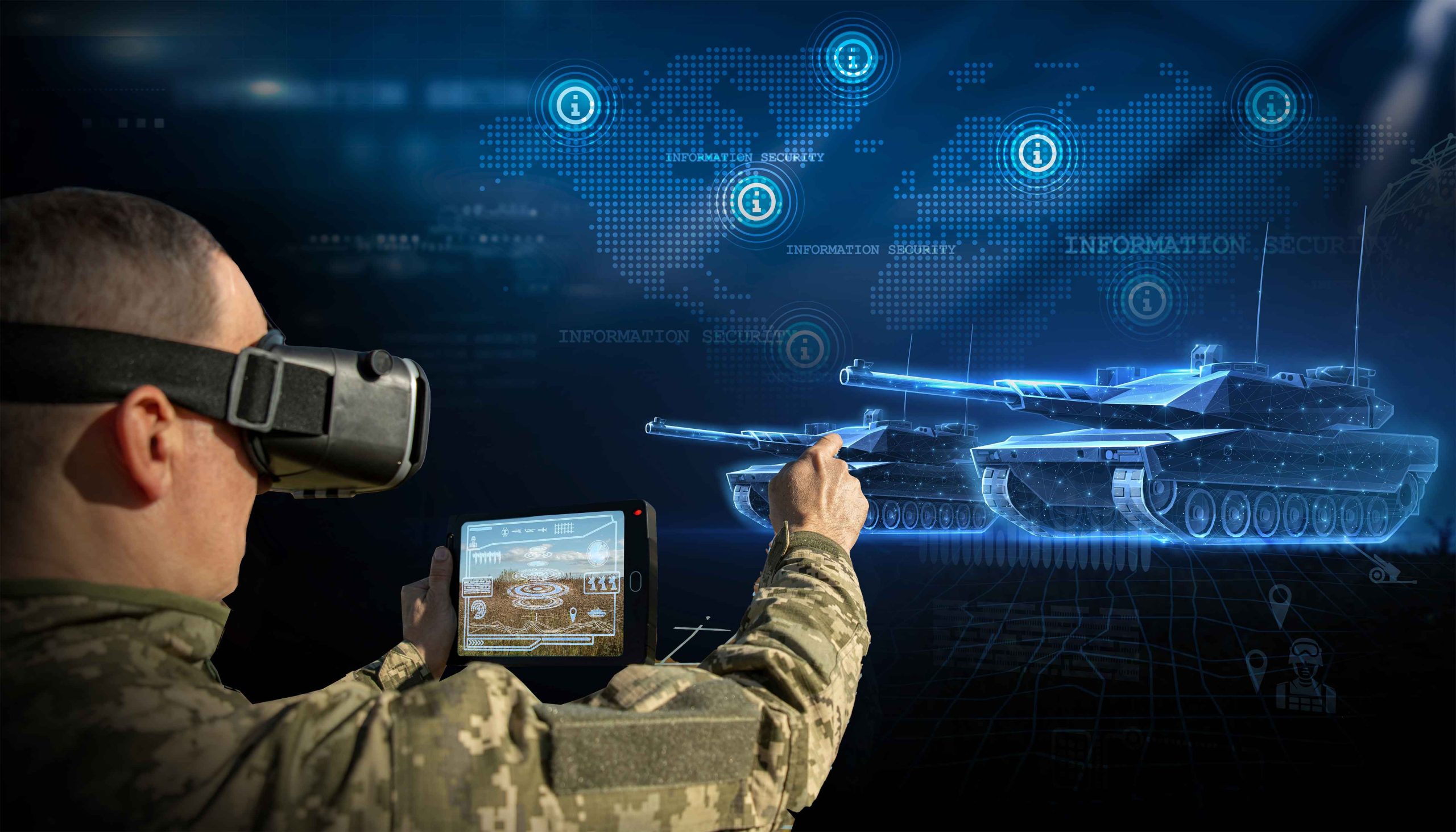
Governments are rapidly integrating AI into military infrastructure, using predictive analytics, surveillance, and autonomous technologies to detect threats and respond in real time. The United States, China, and Russia are leading in AI-powered defense innovations, from drone fleets to cyber intelligence platforms.
However, the rise of autonomous weaponry also raises profound ethical concerns. The possibility of machines making life-and-death decisions has sparked global debates on the moral limits of artificial intelligence in warfare.
Cybersecurity and the Global Information War
As warfare moves online, AI has become a critical line of defense against cyberattacks that target national infrastructure and private data. Machine learning systems can detect anomalies in network behavior, neutralizing threats before they cause damage.
Yet, the same tools are being weaponized by hackers and rogue states. The new frontier of digital warfare is not fought with soldiers but with code — blurring the boundaries between espionage, activism, and crime.
Celebrity Diplomacy and Global Peacebuilding
In parallel with political leaders, celebrities have become influential voices in promoting peace and ethical governance. Angelina Jolie, for instance, has worked with the United Nations to advocate for refugee rights and humanitarian policies that address conflicts exacerbated by technology and misinformation.
Their role as global diplomats bridges the gap between culture and politics, inspiring public empathy and encouraging transparency in how governments use AI for defense and surveillance.
AI Ethics and Political Accountability
As AI becomes central to governance and security, questions of accountability have taken center stage. Who is responsible when an algorithm misfires — the engineer, the government, or the machine itself?
Global organizations such as UNESCO and the World Economic Forum are developing ethical frameworks for AI deployment in defense, emphasizing human oversight and the preservation of moral responsibility. Without such safeguards, technology risks undermining the very principles it aims to protect.
The Role of AI in Humanitarian Security
Beyond warfare, AI is also saving lives in crisis zones. Predictive systems monitor conflict-prone regions to forecast violence and direct aid more efficiently. Drones and machine vision technologies deliver medical supplies to areas cut off by disaster or conflict.
These applications reveal AI’s potential not only as a tool of power but also as a force for compassion — capable of mitigating human suffering when used with transparency and empathy.
Celebrity Influence on Digital Ethics and Peace Policy
Celebrities are increasingly engaging in digital ethics advocacy, calling for global transparency in how AI is used by governments. Actors and artists such as Benedict Cumberbatch and Cate Blanchett have spoken at UN forums and technology summits, emphasizing the need for moral clarity in an age of automated decisions.
Their activism contributes to a growing awareness that peace and privacy are intertwined — and that the ethical use of AI is essential to protecting freedom and dignity worldwide.
FAQs
How is AI changing global security?
AI enhances surveillance, cybersecurity, and military response, allowing nations to predict and neutralize threats more efficiently.
What are the risks of AI in warfare?
Autonomous weapons and decision-making systems raise ethical concerns about accountability, human control, and misuse.
How do celebrities contribute to diplomacy?
Celebrities use their platforms to advocate for humanitarian causes, ethical technology, and peaceful global governance.
Can AI be used for peacekeeping?
Yes, AI can analyze conflict data, predict violence, and coordinate humanitarian aid in areas affected by war or disaster.
Why are AI ethics important in politics?
Ethical guidelines ensure AI systems serve humanity’s safety and rights rather than being exploited for power or control.
Conclusion
AI’s integration into global security represents one of the most significant transformations in modern history. While it offers powerful tools for protection and diplomacy, it also introduces unprecedented moral challenges that demand global cooperation and ethical vigilance.
The future of peace and stability will depend on how leaders, technologists, and cultural influencers align their efforts — ensuring that artificial intelligence strengthens humanity’s collective security rather than undermining it.


