

Introduction
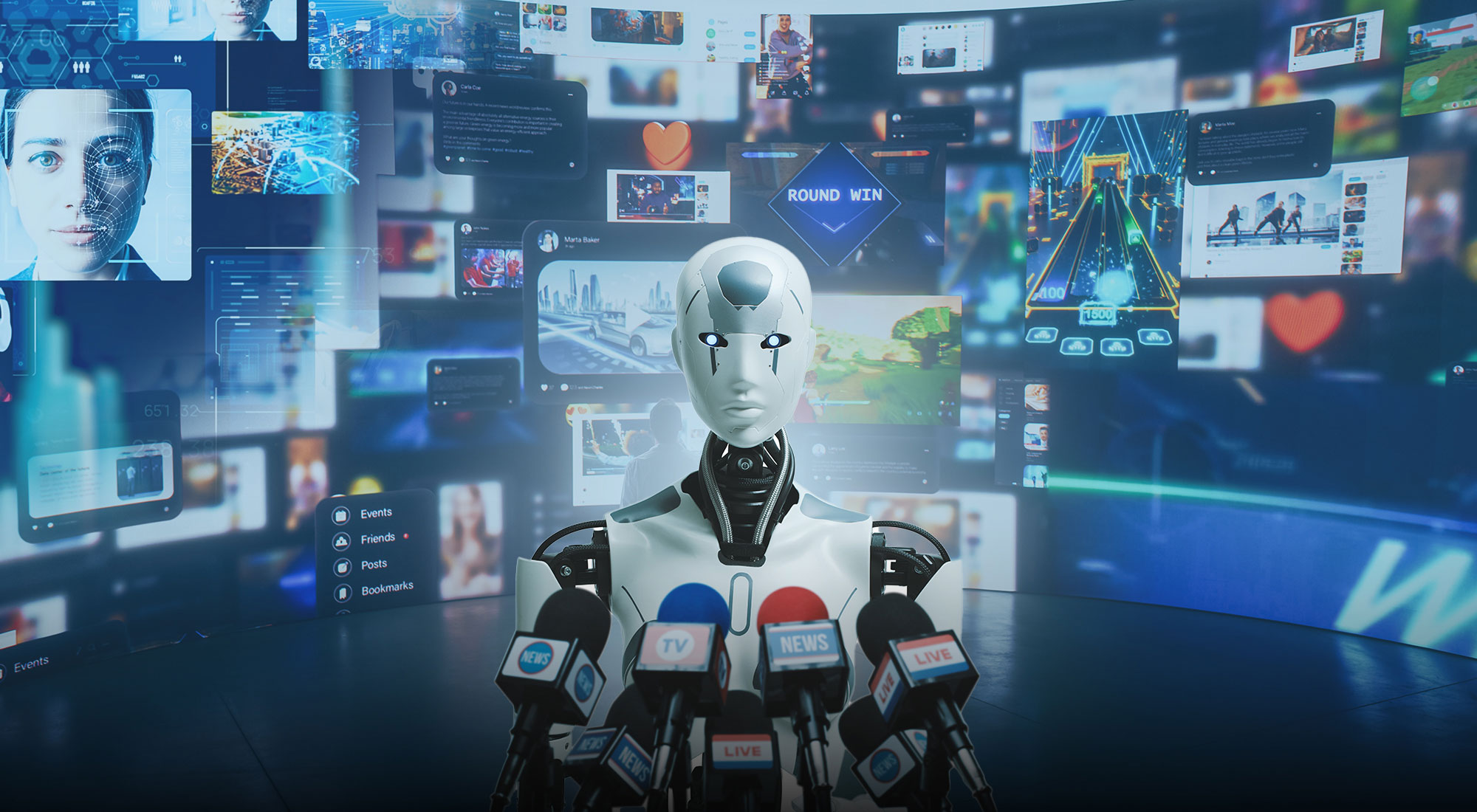
Artificial intelligence has transformed journalism into a high-speed, data-driven enterprise, where algorithms not only deliver the news but also decide which stories reach the public. The traditional newsroom is evolving into a digital network powered by AI, analytics, and automated reporting.
At the same time, celebrities and global influencers are reshaping how news spreads and who controls the narrative — blurring the line between journalism, entertainment, and activism in a world hungry for credibility.
AI-Powered Journalism and the New Information Age
News organizations worldwide are adopting AI tools for fact-checking, content curation, and automated writing. Outlets such as Reuters, Bloomberg, and The Washington Post already use algorithms to draft financial summaries and sports updates with remarkable accuracy.
This technological leap has increased efficiency but also raised questions about authenticity and human oversight. The balance between speed and journalistic integrity has never been more crucial in an age where misinformation spreads faster than ever.
The Rise of Algorithmic Gatekeepers
Search engines and social media platforms now act as global gatekeepers of information. AI algorithms determine which news stories appear on users’ screens, effectively shaping public opinion on a massive scale.
This digital power has led to new debates about algorithmic bias, echo chambers, and political manipulation. As a result, major tech companies are under growing pressure to ensure their systems promote diverse, credible journalism rather than sensationalized content.
Celebrities as Alternative News Influencers
With millions of followers, celebrities now rival traditional journalists in their ability to shape global narratives. Figures like Taylor Swift, Dwayne Johnson, and Kim Kardashian use their platforms to highlight political issues, social justice causes, and humanitarian crises.
Their influence has democratized information but also introduced risks — when celebrity opinions replace verified reporting, audiences can become swayed by emotion over evidence. The fusion of fame and news has created a new kind of media ecosystem driven by personal brands.
Global Politics and the Fight for Digital Truth
Governments are increasingly recognizing the power of AI-driven media in shaping domestic and foreign policy. From election campaigns to public health communication, the competition to control digital narratives has become a geopolitical priority.
Nations are investing in AI monitoring tools to detect fake news and counter online propaganda. Yet, these same systems can also be exploited for censorship, revealing the fine line between safeguarding democracy and controlling speech.
AI Fact-Checking and the Pursuit of Credibility
In response to misinformation, AI is also being deployed as a weapon for truth. Platforms like Google’s Fact Check Tools and the BBC’s Verify project use machine learning to authenticate sources and flag manipulated media.
However, even AI-based verification faces challenges when dealing with deepfakes and synthetic news content. The future of credible journalism depends on collaboration between human editors and machines that enhance transparency without compromising editorial independence.
Celebrity Media Partnerships and the Future of News
Celebrities are increasingly partnering with media organizations and tech firms to amplify socially responsible reporting. Initiatives like Rihanna’s Clara Lionel Foundation and Leonardo DiCaprio’s Earth Alliance fund documentaries that blend star power with investigative journalism.
Such collaborations merge entertainment appeal with factual storytelling, helping engage younger audiences who consume news through digital and social platforms rather than traditional outlets.
FAQs
How is AI changing journalism?
AI assists with writing, data analysis, and fact-checking, allowing media organizations to deliver faster, more personalized reporting.
Can algorithms influence public opinion?
Yes, algorithmic systems control content visibility on social media and search engines, shaping what users see and believe.
Why are celebrities becoming news influencers?
Celebrities use their platforms to discuss global issues, often reaching audiences larger than traditional media networks.
What are the risks of AI in journalism?
Automation can lead to loss of editorial oversight, bias reinforcement, and the spread of synthetic news if not ethically managed.
How can AI improve media credibility?
AI-driven verification and transparent algorithms can strengthen fact-checking, ensuring higher standards of journalistic integrity.
Conclusion
The future of journalism lies at the crossroads of technology, celebrity influence, and global politics. Artificial intelligence can empower the pursuit of truth — or distort it — depending on how it is guided by human ethics and accountability.
In this new era of media evolution, the partnership between journalists, technologists, and influencers will determine whether AI becomes a guardian of truth or a tool of manipulation in the world’s information ecosystem.


