

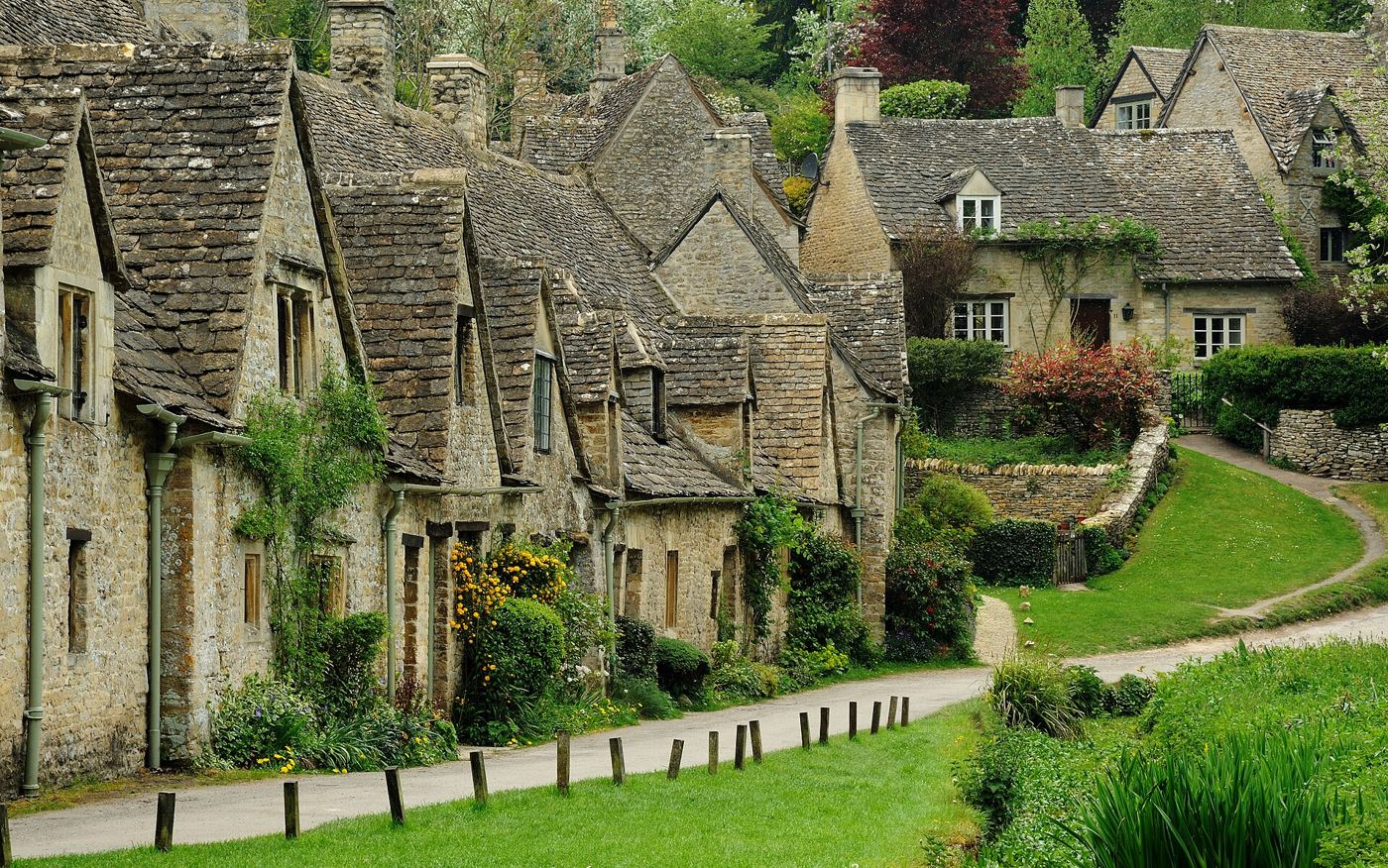
Here is a housing idea that has quietly worked for fifty years: the community owns the land forever; residents own or rent the homes on it, at prices set by formula rather than by market frenzy. Community land trusts — non-profit bodies that hold land for permanent affordability — are expanding from their American and British roots into housing debates everywhere prices have detached from local wages.
The mechanism is elegantly simple. The trust buys land once, usually with public or philanthropic money, and leases it long-term to homeowners or housing associations. Resale prices follow a formula that shares appreciation between the seller and the community, so each home stays affordable for the next buyer without new subsidy. Research on shared-equity models, including studies from the external source, finds foreclosure rates in trust homes dramatically lower than market equivalents — stability is the product.
Why now
Two pressures have revived interest. First, conventional affordable housing keeps leaking: subsidised homes are sold into the market and lost, requiring endless new spending. Trusts end the leak. Second, communities facing tourism or second-home surges — coastal towns, mountain resorts, gentrifying districts — want residents who work locally to be able to live locally, permanently.
Our housing coverage in our news section has followed trusts assembling land parcel by parcel: a car park here, a donated field there, a council transfer at nominal cost. The scale is modest; the permanence is the point.
The limits are honest ones
Trusts do not build at the speed of a crisis. They need patient money, legal care and governance that keeps community control real without making decisions impossible. Owners accept capped appreciation — a feature for affordability, a trade-off some buyers decline.
The model’s quietest benefit is stewardship. Because the trust never exits, it maintains a permanent local interest in the streets it holds — brokering disputes, watching empty properties, anchoring planning conversations with a resident’s rather than an investor’s horizon. Councils that once saw trusts as a housing curiosity increasingly treat them as civic infrastructure: the neighbourhood’s memory, given a legal form and a land registry.
Finance is slowly adapting to the form. Lenders have learned to mortgage leasehold homes on trust land; some public programmes now reserve funding streams for shared-equity models explicitly because a pound of subsidy inside a trust stays a pound of affordability forever — the rarest property in housing finance, where most subsidies quietly evaporate at resale. In the end, the trust idea asks a community one question — whether it wants some of its land to answer to its people permanently, rather than to the highest bidder of each particular decade.
In a housing debate addicted to silver bullets, land trusts offer something rarer: a mechanism that has simply kept working, decade after decade, one street at a time. More housing stories are at our homepage.
