

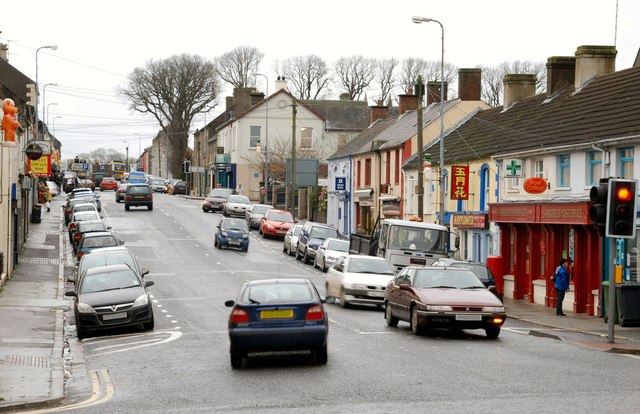
The pitch is audacious: leave the expensive city, keep the city salary, and let a small town give you a house, a garden and a commute measured in minutes. Across North America and Europe, towns losing population for decades are recruiting remote workers with relocation grants, co-working hubs in old bank buildings, and broadband upgrades — betting that imported incomes can revive main streets that local economies no longer sustain.
The logic is straightforward. A remote worker brings an entire salary into a local economy without needing a local employer. That salary pays a mortgage, funds a café habit, enrols children in the school whose falling roll threatened its future. Research on rural development, including work by the external source, shows such in-migration can stabilise services — if the arrivals stay, and if housing policy keeps locals from being priced out of their own town.
What the successful towns do
The programmes that work sell more than cheap houses. They sell integration: welcome networks, help finding childcare, desks and meeting rooms from day one, and honest marketing about winters. They also target the right movers — people with roots or reasons to stay, not subsidy tourists collecting a grant year in five towns.
Our regional reporting in our news section has visited towns where the bet is paying off: the bakery reopened, the school gained a class, the clinic justified a second nurse. It has also seen the friction — bidding wars on the few good houses, old-timers watching their town reprice around them.
A fair test of the model
Sceptics note that remote work itself is contested terrain, with big employers recalling staff to offices. Towns are therefore diversifying the bet: recruiting trades, carers and small manufacturers alongside laptop workers, and treating broadband and childcare as the real incentives.
The broadband prerequisite deserves its own emphasis, because it is where the story usually starts. Towns that secured serious connectivity — gigabit fibre, not brochure broadband — found every other recruitment argument easier: employers verify it, schools depend on it, and the remote worker’s first question is answered before it is asked. In the new geography of work, the fibre map is quietly becoming the opportunity map that rail and motorway maps once were.
What the towns are really selling, beneath the grants, is a ratio: income from the global economy, costs and pace from the local one. That arbitrage has a human texture no brochure survives — it works for the family that wants the garden and the grandparents near, and fails the worker who misses the city’s noise. The recruitment that succeeds is honest targeting: not everyone, just the ones who will stay.
The small town’s problem was never a lack of charm; it was a lack of livelihoods within reach. Remote work delivers livelihoods by wire. Whether the revival lasts depends on whether the newcomers become neighbours. More regional stories are at our homepage.
