

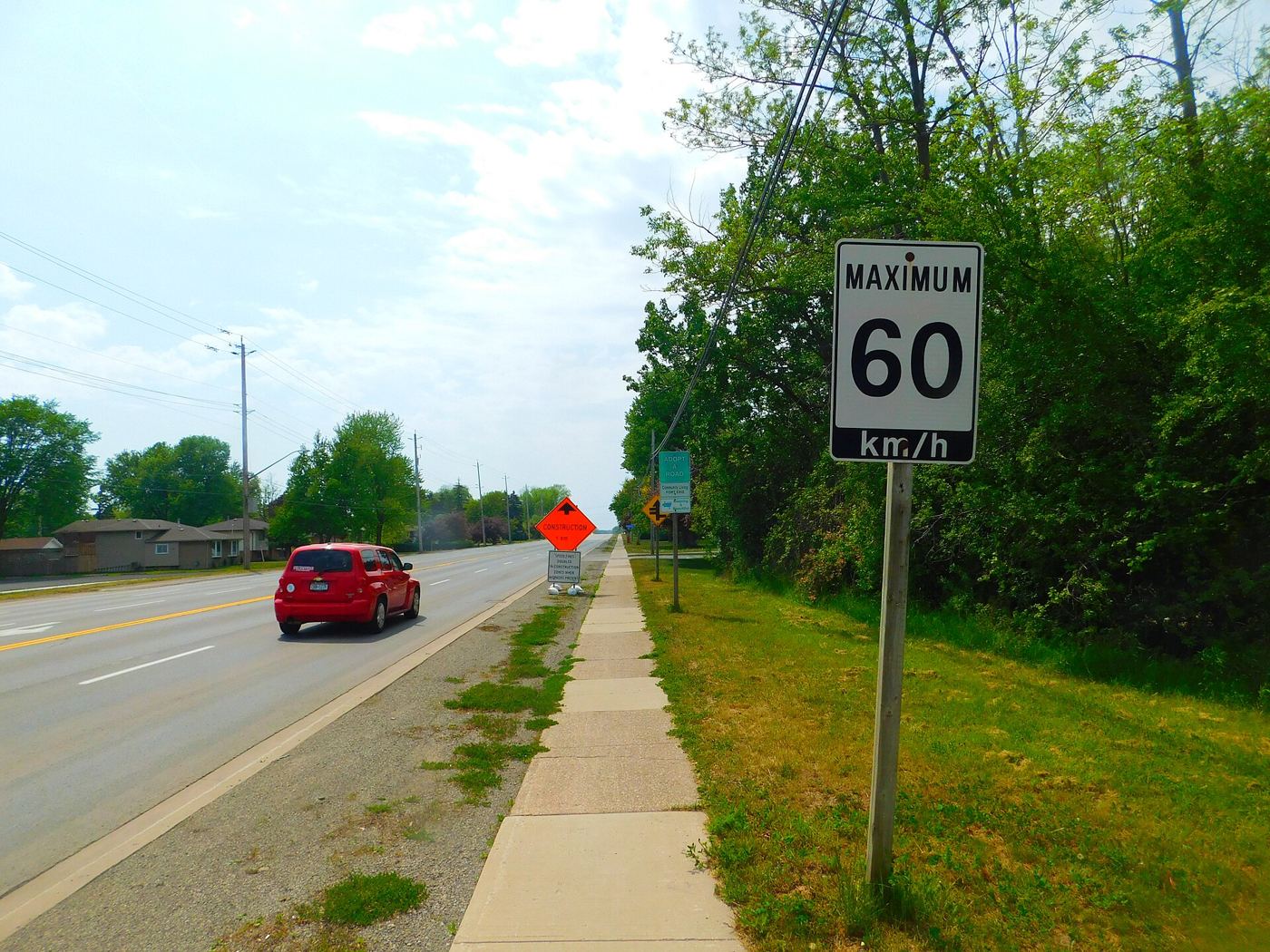
Regional transport upgrades promise shorter journeys as road repairs, rail signalling and bus priority schemes move ahead, though residents face disruption while work is completed. The development matters beyond the headlines because it touches daily routines, local economies and decisions that households and organisations are already making this year.
Why regional transport upgrades matters now
The story behind regional transport upgrades has built gradually, shaped by investment, public demand and lessons from earlier attempts that fell short. What makes the current moment different is the combination of better evidence, wider participation and clearer accountability. Reporting by BBC News has highlighted both the progress and the unresolved questions, and local voices add detail that headline figures alone cannot capture.
Practitioners working directly on regional transport upgrades describe a practical focus: start with the problems people notice every day, measure results openly and fix small failures before they grow. That approach sounds modest, but it is often what separates a successful programme from an announcement that fades. You can follow related coverage in our news section, where we track developments as they happen.
What happens next
The next steps for regional transport upgrades will test whether early momentum can be sustained. Budgets, staffing and public trust all play a part, and each will be scrutinised in the months ahead. Supporters argue that the benefits justify the effort, while critics want stronger safeguards and proof that money is being spent well. Both sides agree on one point: clear communication matters.
Local leaders say the next phase will depend on steady funding, clear timelines and honest reporting about what is working and what still needs to change on the ground.
Experts caution that early results should be read carefully, because conditions vary widely between places and the full effects often take months or even years to become clear.
For ordinary people affected by the change, the practical questions are simple: what will it cost, how reliable will it be, and who can they contact when something goes wrong.
Data published alongside the announcement gives a fuller picture, showing steady progress in some areas while highlighting gaps that campaigners say must not be ignored.
Businesses and community groups are already adapting, sharing lessons from pilot projects and pressing decision makers to keep consultation open as plans move forward.
Analysts note that similar efforts elsewhere succeeded when they combined new technology with training, maintenance and a willingness to adjust course after feedback.
The debate is unlikely to end soon, but there is broad agreement that transparency, independent checks and realistic expectations will decide whether the promise is delivered.
Looking ahead, observers will watch delivery milestones, public response and follow-up funding, which together will show whether this moment marks lasting change or a brief surge.
Local leaders say the next phase will depend on steady funding, clear timelines and honest reporting about what is working and what still needs to change on the ground.
Experts caution that early results should be read carefully, because conditions vary widely between places and the full effects often take months or even years to become clear.
For ordinary people affected by the change, the practical questions are simple: what will it cost, how reliable will it be, and who can they contact when something goes wrong.
Data published alongside the announcement gives a fuller picture, showing steady progress in some areas while highlighting gaps that campaigners say must not be ignored.
